NBA Betting Advertising Regulation: How UK and US Rules Affect What Punters See
 Available in US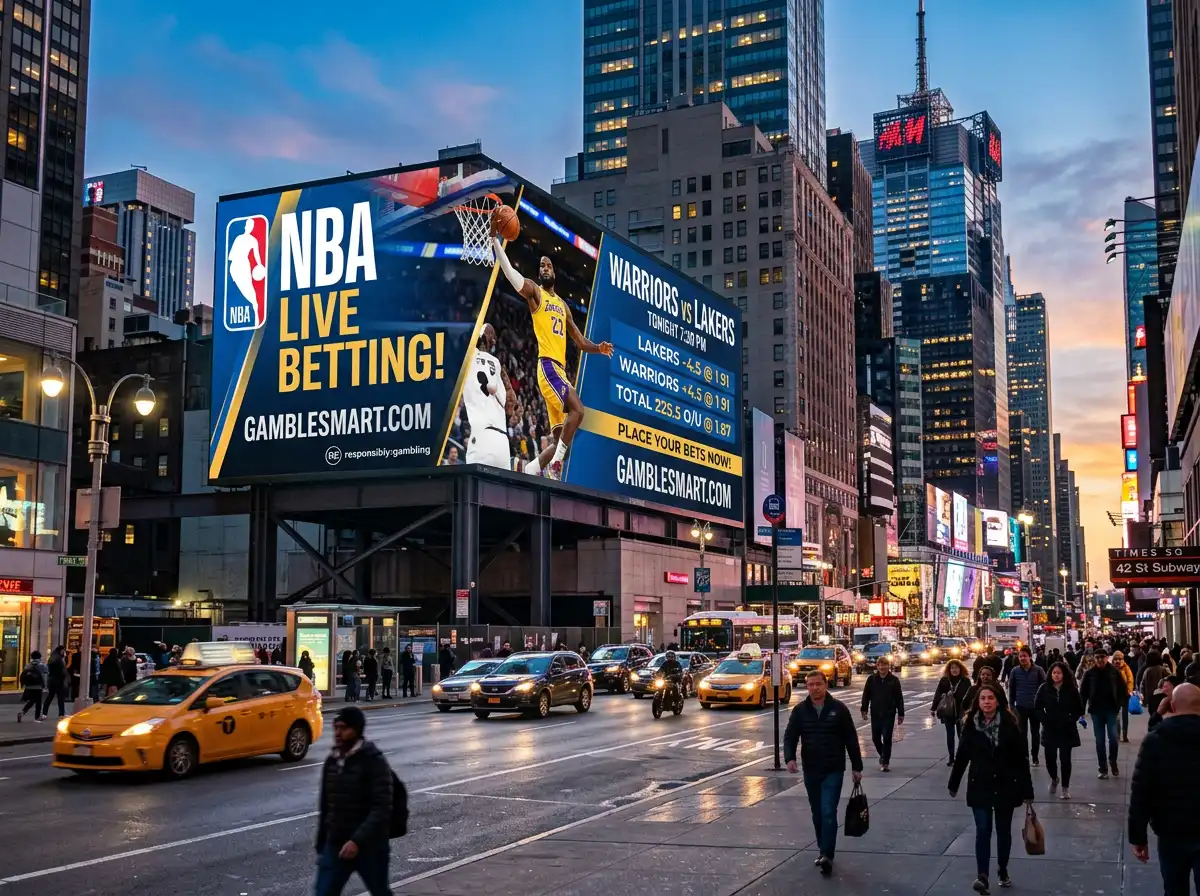
The NBA Commissioner Has Called for More Advertising Regulation — Here Is What Already Exists and What Is Changing
Adam Silver said publicly that there should probably be more regulation of gambling advertising, and specifically wished for federal legislation rather than the current state-by-state approach. He emphasised the need to monitor the amount of promotion and advertising around betting. That statement, from the commissioner of a league that earns over $160 million annually from betting partnerships, tells you that even the industry’s biggest beneficiary recognises that the advertising landscape has grown faster than the regulatory framework designed to contain it.
Louisiana Gaming Control Board chairman Christopher Hebert reinforced that sentiment from the regulatory side, noting that when a sports regulatory body raises integrity concerns, state regulators should listen. The convergence of league and regulatory voices on advertising oversight is significant — it signals that the current rules are likely to tighten, not loosen, and that bettors need to understand the promotional environment they are navigating.
I have been on the receiving end of gambling advertising for nearly a decade, and the volume has escalated dramatically. During the 2024-25 NBA season, my phone received an average of four to five push notifications per day from betting apps — enhanced odds offers, free bet promotions, bet-builder specials. Each one was designed to nudge me toward a bet I had not planned to place, and each one represented a marketing cost that the operator was confident it would recoup through my losses. Understanding the rules that govern these promotions — and the rules that should govern them but do not yet — is as important to protecting your bankroll as understanding the games themselves.
UK Advertising Rules: Whistle-to-Whistle Bans, ASA Standards, and Social Media
The UK has some of the strictest gambling advertising rules in the world, though gaps remain. The whistle-to-whistle ban, introduced in 2019, prohibits gambling advertisements during live sport broadcasts from five minutes before kick-off to five minutes after the final whistle. This ban applies to television and radio but not to online advertising, social media, or stadium signage — a distinction that limits its effectiveness in an era where most betting content is consumed digitally rather than through traditional broadcast.
The Advertising Standards Authority enforces content rules that prohibit gambling advertisements from targeting under-eighteens, featuring content likely to appeal strongly to children, or making misleading claims about the likelihood of winning. Since April 2025, the UKGC has also enforced new stake limits on online slots — £5 per spin for those aged twenty-five and over, £2 for eighteen to twenty-four — which, while not directly applicable to sports betting, signal the regulator’s willingness to intervene on product-level controls when advertising restrictions alone prove insufficient.
Social media is the frontier where current rules are least effective. Betting operators maintain active presences on Instagram, X, TikTok, and YouTube, where age-gating is minimal and the line between organic content and paid promotion is often invisible. Influencer partnerships, branded content, and “tipster” accounts that receive operator sponsorship create a promotional ecosystem that reaches young audiences through channels the whistle-to-whistle ban was never designed to cover. The UKGC has signalled that social media advertising standards will be a priority in upcoming regulatory reviews, but for now, the rules lag behind the platforms.
US Advertising Landscape: State-Level Restrictions and the Push for Federal Standards
The US advertising landscape mirrors the broader regulatory patchwork: every state with legal betting sets its own rules on how operators can promote their products. Some states restrict advertising during college sports broadcasts. Others limit the use of bonus offers in promotional materials. A handful have imposed broad restrictions on the frequency and placement of gambling advertisements. But there is no federal standard, and the inconsistency means that operators tailor their advertising strategy state by state, often pushing harder in jurisdictions with lighter restrictions.
US operators paid $3.71 billion in taxes on sports betting revenue in 2025 — a 32.4% increase from the previous year — and a meaningful portion of that revenue was driven by promotional spending designed to acquire and retain customers. Free bet offers, deposit matches, and enhanced-odds specials are not charitable gestures — they are customer acquisition costs, and the terms attached to them are designed to maximise the lifetime value of the bettor to the operator. A “risk-free” first bet that returns a loss as a site credit rather than cash requires the bettor to re-wager the credit before withdrawing, which generates additional handle and additional margin for the house.
The push for federal advertising standards is gaining political traction, driven in part by Adam Silver’s public comments and in part by the bipartisan recognition that state-by-state regulation cannot contain an industry that operates across borders digitally. Whether federal legislation materialises is uncertain, but the direction of travel is clear: more advertising oversight, more restrictions on promotional mechanics, and more transparency requirements for operators.
How Promotional Offers Affect Bettor Behaviour and Market Selection
Approximately 20% of US adults bet on sports in 2025, and promotional offers are the primary mechanism operators use to convert casual interest into active betting behaviour. The structure of promotions matters because it influences which markets bettors choose — and often steers them toward the highest-margin products.
Enhanced-odds offers on NBA parlays are the clearest example. An operator boosts a three-leg parlay from 6.00 to 8.00 and promotes it through push notifications and homepage banners. The enhanced price looks generous — and on that specific bet, it may be. But the promotion’s purpose is not to give you a good price on one parlay. It is to establish a behaviour pattern: you place the boosted parlay, experience the excitement of a higher-than-usual payout potential, and return to place parlays at standard (lower) prices in the future. The promotional bet is a loss leader. The subsequent unboosted parlays are where the operator recovers its investment.
Free bet promotions carry similar mechanics. A “bet £10 get £30 in free bets” offer requires the initial £10 to be wagered and lost before the free bets activate, and the free bet returns only profit, not the stake. The effective value of a £30 free bet, after accounting for the initial qualifying loss and the free-bet stake retention, is roughly £12-15 — less than the headline number suggests. I evaluate every promotion by calculating the true expected value after all terms are applied, and I recommend the same approach to every UK punter who encounters an operator promotion.
The broader lesson is that advertising regulation and promotional mechanics are not separate from your betting process — they are part of the environment in which you bet, and understanding them is as important as understanding the games.
Are gambling adverts for NBA betting restricted in the UK?
Yes. The whistle-to-whistle ban prohibits gambling ads during live sport broadcasts from five minutes before to five minutes after the event. The ASA enforces content standards that prevent targeting under-18s and making misleading claims. However, these rules have limited reach on social media and digital platforms, where most modern gambling advertising occurs. Further restrictions are expected in upcoming UKGC regulatory reviews.
What did Adam Silver say about regulating gambling advertising?
Adam Silver stated that there should probably be more regulation of gambling advertising, expressing a preference for federal legislation rather than the current state-by-state approach. He specifically called for monitoring the volume of promotion and advertising around betting — a notable position given that the NBA itself earns over $160 million annually from betting partnerships.
How should UK bettors evaluate free bet promotions for NBA markets?
Calculate the true expected value after all terms are applied. A ‘bet £10 get £30 in free bets’ offer has an effective value of roughly £12-15 after accounting for the qualifying bet loss and the fact that free bets return only profit, not stake. Evaluate whether the promotion generates genuine value at your normal bet size and market type, and do not let the headline number influence you into betting markets you would otherwise avoid.
This material was created by the CourtEdge team.
Related posts
NBA Team Betting Trends: ATS Records, Cover Rates, and Where to Find Persistent Edges

NBA Betting Record Keeping: How to Track, Analyse, and Improve Your Results